

Trooper’s Chicken Rescue FAQ
Understanding Hawaiʻi’s Chickens & Frequently Asked Questions
Our goal is to provide helpful information for community members who encounter chickens across Hawaiʻi. Below are answers to common questions about chicken behavior, rescue situations, and humane care.
If you encounter a chicken in immediate distress or need assistance, please contact Trooper’s Chicken Rescue or a local rescue organization.
How did we get here?
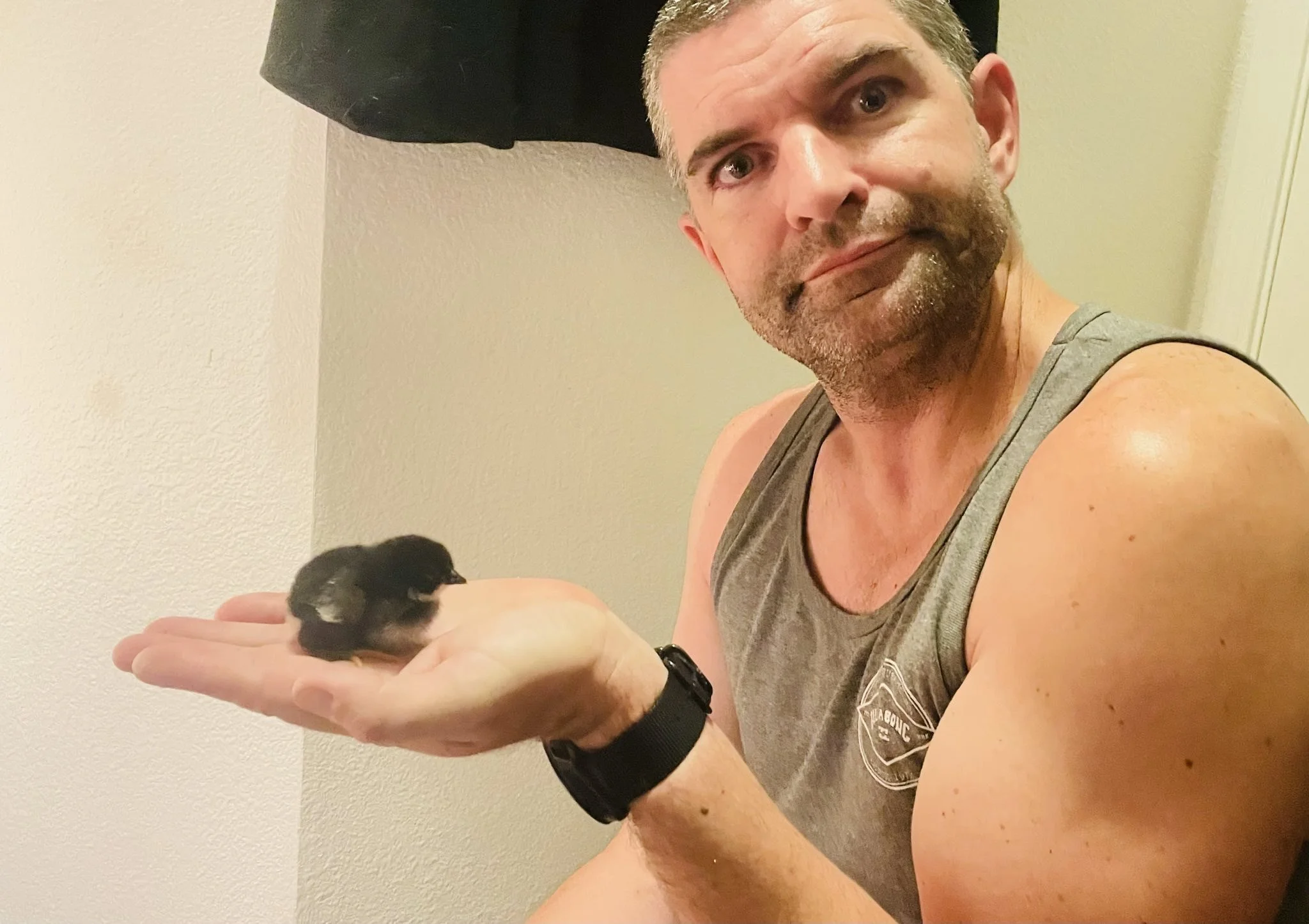
The photo above shows Trooper’s Chicken Rescue President and Founder, Brian Burns, with Constantine, his first rescue. Pulled from a lazy river, Constantine became the spark that started it all.
That first rescue, alongside Brian’s wife and Trooper’s Chicken Rescue Vice President, Patricia Xavier Burns, helped inspire the creation of Trooper’s Chicken Rescue. Along the way, they were joined by dedicated board members Sydney Cook, Celeste Walker, and Paddy Sell.
Rescue & Emergency Situations
-
Trooper’s Chicken Rescue is a young nonprofit, we are a growing network of decentralized chicken rescuers and advocates located in the state of Hawai’i. Please feel free to contact us for next steps, we may be able to assist depending on available resources. Trooper’s is actively working to obtain acres so we can create a long term facility with medical care, housing and foraging areas. The plan is to provide permanent homes for all surrendered chickens so they do not end up abandoned, neglected or abused. Please be patient as we work on centralizing our efforts and consider donating.
-
If a chicken appears injured, lethargic, bleeding, unable to stand, or is being attacked by other animals, it may need assistance.
If it is safe to do so, try to contain the bird in a box or crate with ventilation lined with a towel to help keep the bird calm. Avoid giving food or water immediately if the bird is severely injured.
Contact Trooper’s Chicken Rescue or a local bird rescue organization for guidance.
-
Signs that a chicken may need help include:
• Difficulty standing or walking
• Visible wounds or bleeding
• Severe lethargy
• Swelling around the eyes or face
• Heavy breathing
• Drooping wings
• Being repeatedly attacked by other birdsIf you observe these signs, the bird may require assistance.
-
Young chicks usually stay close to their mother and flock. If the chick appears healthy and active, observe from a distance first, as the mother may still be nearby.
If the chick is clearly orphaned, injured, or in immediate danger, place it in a small box with soft bedding and warmth and contact a rescue organization for assistance.
-
Animal cruelty should always be taken seriously. If it is safe to do so, document the situation and report it to local authorities or animal welfare organizations.
Providing details such as location, time, and description of the incident can help ensure appropriate action is taken.
-
Cockfighting is illegal in Hawaiʻi and is often connected to other forms of violence and organized crime.
If you suspect cockfighting activity, report it to local law enforcement. Avoid confronting individuals involved, as these situations can be dangerous.
-
In some severe medical cases, euthanasia may be the most humane option to prevent prolonged suffering. This is typically considered when injuries or illnesses cannot be treated and the animal’s quality of life cannot be restored.
These decisions are best made with experienced rescuers and veterinarians.
-
Many conditions in chickens are treatable with proper care, including:
• Minor wounds or infections
• Respiratory illness
• Eye infections
• Parasites
• Nutritional deficiencies
• Injuries requiring splinting or wound careEarly intervention greatly improves outcomes.
Handling & Care
-
Approach slowly and calmly. Sudden movements may cause the bird to panic.
If possible, gently guide the chicken into a corner or enclosed area. Placing a towel or light cloth over the bird can help calm it and make handling easier.
-
Support the bird’s body by holding the wings gently against its sides. This prevents flapping and helps reduce stress.
Hold the chicken securely but gently against your body to keep it calm.
-
If a chicken is comfortable with human interaction, gentle petting on the chest, sides, or around the neck is usually well tolerated.
In some species of birds, such as parrots and other companion birds, touching certain areas of the body — particularly the back, under the wings, or near the tail — can stimulate reproductive hormones and lead to behavioral or health issues. For this reason, avian specialists often recommend limiting petting to the head, neck, or chest areas when interacting with birds.
While chickens do not typically bond with humans in the same way as parrots, handling birds respectfully and avoiding overstimulation is always best for their wellbeing.
-
If you are temporarily caring for a chicken, simple and natural foods are best until the bird can be transferred to a safe environment or provided with proper poultry feed.
Safe foods may include:
• Plain grains such as oats, barley, or rice
• Cooked and cooled rice
• Unsalted vegetables
• Leafy greens
• Non-citrus fruits
• Plain poultry feed, if available
• Small amounts of cooked eggs for protein
• Access to clean, fresh waterThere is some debate among poultry keepers about feeding raw versus cooked rice to chickens. Chickens are capable of eating raw grains, including rice, without harm. However, for young chicks, weakened birds, or chickens recovering from digestive issues, cooked and cooled rice can be easier to digest and is often recommended as a gentle temporary food.
Foods to avoid:
• Onions
• Mushrooms
• Raw or dried beans
• Avocado
• Citrus fruits
• Raw eggplant
• Green tomatoes
• Raw or green potatoes
• Processed foods
• Salty foods
• Spoiled or moldy foodWhen possible, transitioning the bird to proper poultry feed is the best way to ensure balanced nutrition.
-
Chickens benefit from a balanced diet designed specifically for poultry.
Common components include:
• Poultry feed formulated for layers or flocks
• Leafy greens and vegetables
• Occasional fruits
• Natural forage such as insectsHelpful supplements may include:
• Calcium sources such as crushed oyster shell for laying hens
• Grit to help chickens digest food
• Electrolytes or vitamins during periods of stress or recoveryFresh water should always be available.
-
A temporary space should be secure, dry, shaded, and protected from predators.
A crate, enclosed pen, or large ventilated box can work temporarily until the bird can be moved to a safer environment.
Chicken Behavior & Biology
-
Chickens move their heads forward and backward while walking to help stabilize their vision. Their eyes briefly pause between steps so they can focus clearly on their surroundings.
This head movement helps chickens navigate their environment and detect food or potential threats.
-
Often, yes. Chickens commonly lie on their sides with their wings spread while sunbathing or dust bathing.
This behavior helps maintain healthy feathers and skin by reducing parasites and bacteria. If the bird appears alert afterward, this is normal behavior.
-
Chickens use a wide range of vocalizations to communicate.
Common sounds include:
• Soft clucking while relaxed or foraging
• Alarm calls when predators are nearby
• Loud crowing from roosters
• Distress calls when injured or threatenedThese sounds help communicate important information within the flock.
-
Roosters sometimes perform a behavior that looks like stomping their feet, shuffling side to side, or wiggling their body when greeting someone they recognize.
This movement can be part of a courtship or social display that roosters use with hens, but they may also perform it when interacting with humans they are comfortable with. The motion is often accompanied by soft vocalizations or excited body language.
In many cases, this behavior can signal excitement, recognition, curiosity, or social engagement rather than aggression. As with any animal interaction, it is helpful to observe the bird’s overall body language to understand whether they are relaxed, curious, or feeling defensive.
-
Chickens often make soft trills, purr-like sounds, or gentle clucks when they feel comfortable and safe.
These sounds are part of their everyday communication and can occur when:
• greeting familiar flock members
• interacting with humans they trust
• anticipating food or treats
• feeling relaxed while foragingLow trilling or murmuring vocalizations are generally considered contented or social sounds, similar to quiet conversation within the flock.
-
Roosters sometimes perform a behavior commonly called a “wing dance.” During this display, a rooster may drop one wing toward the ground, circle slightly, or flutter his wing while moving around a hen or another individual.
This display can have several meanings depending on the context, including:
• courtship behavior toward hens
• excitement or greeting
• establishing social status within the flock
• attention-seeking behavior toward humans they recognizeWing dancing is a natural part of chicken communication and social structure. When performed in a relaxed environment, it is usually a sign that the rooster is engaged, confident, and interacting with those around him.
-
A chicken’s comb can offer useful clues about their health.
A healthy comb is typically bright red and upright.
Possible warning signs include:
• Pale comb – possible anemia or illness
• Purple or bluish comb – circulation or respiratory concerns
• Dry or shriveled comb – dehydration or stress
• Dark spots or damage – injury or peckingChanges in comb appearance can sometimes signal that a chicken needs closer observation.
-
No. Even highly productive laying breeds typically lay about 4–6 eggs per week.
Egg production varies depending on breed, age, nutrition, daylight hours, and overall health. Hens also slow or stop laying during molting or winter months.
Modern chickens have been selectively bred by humans to lay more eggs than their wild ancestors, and this level of egg production is not a naturally occurring evolutionary trait.
-
Chickens rescued from cockfighting environments may show both physical and behavioral signs of trauma.
Possible indicators include:
• Scarring or puncture wounds around the head, neck, chest, or legs
• Missing or severely damaged combs and wattles
• Injuries around the eyes or face
• Broken or poorly healed bones
• Tether marks on the legs
• Extreme fearfulness or aggressionSome injuries can also occur naturally in flocks, but repeated or severe injuries may indicate involvement in organized fighting.
-
Yes. Chickens are highly social animals that live within structured flocks and establish social hierarchies known as a “pecking order.”
They can recognize individual flock members and often form strong social relationships within their group.
Chickens in Hawaiʻi
-
Modern chickens are descended from the red junglefowl (Gallus gallus), a wild bird native to parts of Southeast Asia including Thailand, Vietnam, and India.
Humans began domesticating these birds thousands of years ago for food, eggs, and cultural purposes. Over time, selective breeding created hundreds of chicken breeds with different appearances, sizes, and egg colors.
-
Chickens were first brought to Hawaiʻi by Polynesian voyagers centuries ago. Later, additional breeds were introduced by European and Asian settlers.
Over time, some domestic chickens escaped or were released, eventually forming the free-roaming populations seen across the islands today.
-
Many chickens in Hawaiʻi come from mixed ancestry between domestic chickens and junglefowl descendants. This creates a wide variety of feather colors, body sizes, and comb shapes.
-
Free-roaming chickens can sometimes create noise, forage in gardens, or wander through residential areas.
Without humane population management systems in place, communities may struggle with how to respond. Trooper’s Chicken Rescue works to promote collaborative, humane solutions that address community concerns while protecting animal welfare.
-
Roosters are frequently abandoned for several reasons.
Many people who raise backyard chickens are hoping for egg-laying hens. When young chickens mature and turn out to be roosters, owners may feel they cannot keep them due to noise from crowing or local housing restrictions.
In some cases, birds bred for cockfighting may also be abandoned when they are no longer useful to those involved in fighting operations.
Roosters are also often considered less economically valuable in commercial egg production systems. Because roosters do not lay eggs and most egg-laying breeds are not suitable for meat production, male chicks in industrial hatcheries are commonly culled shortly after hatching. While this practice occurs within large-scale agricultural systems, it reflects a broader challenge in how male chickens are valued.
When people are unable or unwilling to care for roosters, some birds are released into the environment rather than responsibly rehomed. Over time, this contributes to the free-roaming chicken populations seen across the islands.
Trooper’s Chicken Rescue works to address this issue through rescue, education, and promoting humane, responsible care for chickens.
-
Feeding chickens can sometimes unintentionally contribute to larger flock sizes in certain areas. If feeding occurs, it should be done responsibly and without creating dependency or attracting large congregations of birds.
-
Relocation can sometimes be done responsibly when coordinated through experienced rescuers or organizations with appropriate space and infrastructure.
However, relocation requires careful planning to ensure birds are placed in safe environments where they will not face new risks.
-
If a chicken is in the road, slow down and allow the bird time to move safely. Chickens will often move away once vehicles slow or stop.
Do not attempt to chase the bird into traffic. If a chicken appears injured or unable to move, contact a rescue organization for assistance.
-
Some individuals may capture chickens for personal consumption. However, many birds in Hawaiʻi have mixed ancestry and unpredictable health histories, which can make this practice complicated.
Rescue organizations focus on humane care and responsible population management.
-
We at Trooper’s Chicken Rescue love and protect our feathered friends. Communities around the world have shared their lands and lives with these social, loyal and beautiful birds. Just look at Ybor, Florida.
Managing free roaming chickens can be more complex than simply removing birds from an area.
Chickens reproduce quickly, and when populations are reduced without addressing the underlying causes — such as abandonment, breeding, and cockfighting — new birds often move into the same spaces over time. This pattern is sometimes referred to as a “vacuum effect,” where removed animals are replaced by others from nearby populations.
Chickens also have cultural and environmental value, and removing them can have repercussions. Did you know they eat the rhinoceros beetle?
Eradication programs are also cruel, costly, difficult to maintain, and may create additional concerns.
Many animal welfare organizations and communities are working on humane management strategies, which can include rescue and rehabilitation, education, responsible placement, population control and partnerships with local government officials, agencies and communities. If you want to join the effort please contact Trooper’s Chicken Rescue and check out our Hawai’i Legislation page.
Trooper’s Chicken Rescue believes that long-term solutions are most effective when they address both the animals and the human behaviors that contribute to the issue.
-
Chickens are omnivorous foragers and occupy a role similar to many ground-feeding birds. When they roam freely, they spend much of their time scratching through soil and leaf litter in search of food. This natural behavior can help aerate soil and contribute to the breakdown of organic matter.
Their diet includes seeds, insects, worms, small reptiles, and food scraps. Because of this, chickens can help control certain insect populations and contribute to nutrient cycling by converting organic material into manure that enriches soil. Chickens are also known to consume a variety of larvae found in soil and decaying plant matter, including coconut rhinoceros beetle larvae, an invasive pest responsible for significant damage to coconut trees across Hawaiʻi. While chickens alone cannot control beetle populations, their natural foraging behavior can contribute to reducing certain insect pests in the environment.
However, chickens are not native to Hawaiʻi. Large unmanaged populations can place pressure on local environments by disturbing vegetation, compacting soil in heavily used areas, and potentially competing with native wildlife for resources. Like many introduced animals, their ecological impact depends largely on population size and the surrounding habitat.
At Trooper’s Chicken Rescue, we believe the long-term solution is not abandonment, but responsible care and stewardship. Our vision is to work toward a future where the islands no longer have unmanaged or feral chicken populations because every chicken has a safe place to live. Through rescue, responsible placement, sanctuary care, and community education, we aim to create pathways for chickens to live in protected environments where they are cared for while also reducing ecological pressures on Hawaiʻi’s landscapes.
-
Trooper’s Chicken Rescue aims to rescue rehabilitate and relocate feral chickens across the islands of Hawai’i. Our work is focused toward humane, community-centered solutions, including:
• Rescue and rehabilitation of sick, injured, abused or abandoned chickens
• Life long sanctuary care, providing a place where chickens can live out their lives in a safe, loving and caring environment where safety and population control is prioritized.
• Education and outreach- we will work with our community, especially our keiki to teach them about these social, family oriented, historic animals that have given so much to our land. Trooper’s also plans to partner with colleges and universities around the country to provide hands on experience for future aviary vets and researchers.
• Advocate for the voiceless- through legislative partnerships, we will strengthen animal rights laws, protect our feathered friends and ensure those who participate in cockfighting are punished for their crimes.
• Supporting humane population management strategies